


Understanding Sustainable Farming Practices

When I first started exploring ways to grow food that’s kind to the planet, I quickly realised there’s a lot to learn about sustainable farming. It’s not just about avoiding chemicals or using organic seeds. It’s a whole approach that respects the land, nurtures biodiversity, and supports local communities. If you’re curious about how to farm or garden in a way that’s gentle on the earth, you’re in the right place. Let’s dive into some eco-friendly farming techniques that make a real difference.
Exploring Eco-Friendly Farming Techniques
Eco-friendly farming techniques are all about working with nature, not against it. These methods help maintain healthy soil, conserve water, and reduce pollution. Here are some of the most effective techniques I’ve come across:
Crop Rotation: Changing the types of crops grown in a particular area each season helps prevent soil depletion and reduces pests naturally. For example, planting legumes one year adds nitrogen to the soil, which benefits the next crop.
Cover Cropping: Growing plants like clover or rye during off-seasons protects the soil from erosion and adds organic matter. It’s like giving the earth a nourishing blanket.
No-Dig Gardening: This method avoids disturbing the soil structure. Instead of digging, you add layers of compost and mulch on top. It encourages beneficial organisms and keeps the soil healthy.
Integrated Pest Management (IPM): Instead of spraying chemicals, IPM uses natural predators, crop diversity, and careful monitoring to keep pests under control.
Water Conservation: Techniques like drip irrigation and rainwater harvesting reduce water waste and ensure plants get just what they need.
These techniques not only protect the environment but often lead to better yields and tastier produce. Plus, they’re perfect for anyone wanting to create a garden or farm that’s truly sustainable.
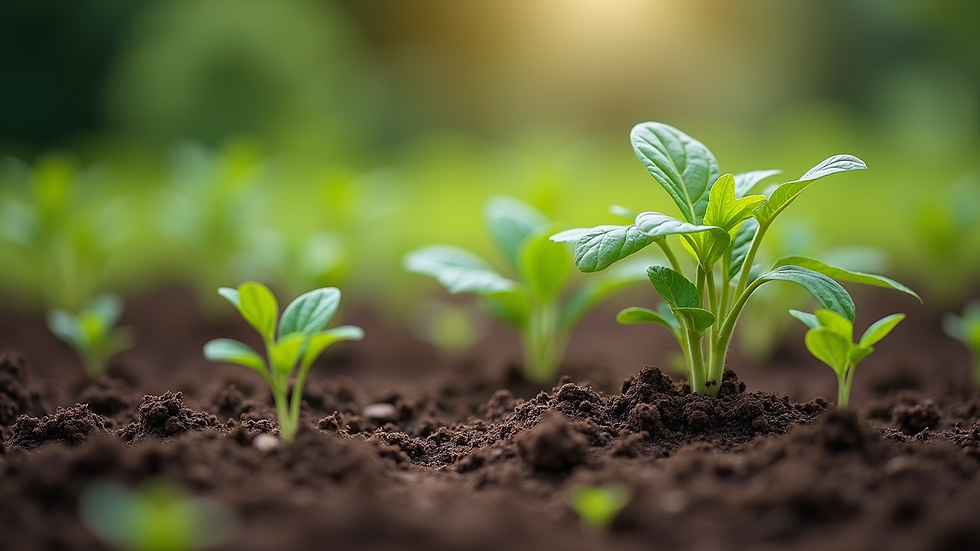
What is sustainable farming in the UK?
Sustainable farming in the UK focuses on producing food in ways that protect the environment, support rural communities, and maintain economic viability. Given the UK’s varied climate and soil types, farmers here often combine traditional knowledge with modern eco-friendly methods.
For example, many UK farms use rotational grazing to manage livestock. This means moving animals between pastures to prevent overgrazing and allow grass to recover. It’s a simple but effective way to keep the land healthy.
Another common practice is hedgerow planting. These natural fences provide habitats for wildlife, reduce soil erosion, and even act as windbreaks. They’re a beautiful and practical part of the UK countryside.
Farmers also focus on reducing chemical inputs by using organic fertilisers and encouraging beneficial insects. This helps protect the delicate balance of local ecosystems.
If you’re in Devon or Cornwall, you might notice farms like Trigon Farm leading the way with regenerative, no-dig gardening and chemical-free produce. We are a great example of how sustainable farming practices can thrive in the UK’s unique environment.

How to Start Your Own Sustainable Garden
Starting your own sustainable garden might seem daunting, but it’s easier than you think. Here’s a simple plan to get you going:
Assess Your Space: Look at your garden’s size, sunlight, and soil type. This will help you choose the right plants.
Build Healthy Soil: Add organic matter like compost or well-rotted manure. Avoid digging if possible to keep soil life intact.
Choose Native and Seasonal Plants: Native plants are adapted to your local climate and need less water and care. Seasonal vegetables will grow better and taste fresher.
Use Mulch: Mulching helps retain moisture, suppress weeds, and improve soil quality. Avoid using plastic sheets known as weed suppressors, in time they break down into microplastics and pollute the land.
Encourage Wildlife: Plant flowers that attract pollinators like bees and butterflies. Consider a small pond or bird feeders.
Harvest Rainwater: Set up barrels to collect rainwater for watering your plants.
Avoid Chemicals: Use natural pest control methods and organic fertilisers.
By following these steps, you’ll create a garden that’s not only productive but also a haven for wildlife and a joy to tend.
Benefits of Sustainable Farming for Foodies and Event Planners
If you love fresh, chemical-free food or organise farm-to-table events, sustainable farming offers some fantastic benefits:
Better Flavour and Nutrition: Produce grown in healthy soil with natural methods often tastes richer and contains more nutrients.
Seasonal Variety: Sustainable farms focus on seasonal crops, which means your menu can change with the seasons, keeping things exciting.
Supporting Local Economy: Buying from local sustainable farms helps small businesses and reduces food miles, lowering your carbon footprint.
Unique Experiences: Farms like Trigon Farm offer workshops and events that connect you with the food’s journey from soil to plate. It’s a wonderful way to engage guests and deepen appreciation for the food.
Environmental Impact: Choosing sustainably farmed produce means you’re supporting practices that protect the environment for future generations.
If you’re planning an event, consider partnering with a local sustainable farm. It adds authenticity and a story that guests will remember.
How Trigon Farm Champions Sustainable Farming Practices
Our approach includes:
No-Dig Gardening: This reduces soil disturbance and builds fertility naturally.
Chemical-Free Produce: We avoid synthetic pesticides and fertilisers, ensuring clean, healthy food.
Educational Workshops: Visitors can learn hands-on about sustainable farming techniques and regenerative practices.
Farm-to-Table Events: These gatherings celebrate local, seasonal food and connect people with the land.
By embracing sustainable farming practices, Trigon Farm is helping to shape a future where farming is in harmony with nature. It’s a model that anyone interested in eco-friendly farming techniques can learn from.

Taking the Next Step Towards Greener Farming
Whether you’re a gardener, foodie, or event planner, embracing sustainable farming practices can be deeply rewarding. Start small, experiment with eco-friendly farming techniques, and connect with local farms that share your values.
Remember, every little action counts. By choosing to support or practice sustainable farming, you’re helping to protect the environment, improve food quality, and build stronger communities. And who knows? You might just find a new passion along the way.
If you’re near Devon or Cornwall, I highly recommend visiting Trigon Farm to see these ideas in action. It’s a wonderful place to learn, taste, and be inspired.
Happy growing!


Comments